For decades, the mention of a Uganda safari conjured a single, potent image: a family of mountain gorillas emerging from the emerald mist of Bwindi Impenetrable Forest. While gorilla trekking remains one of the world’s most profound wildlife encounters, the “Pearl of Africa” has undergone a dramatic transformation.
As we move through 2026, Uganda is no longer just a “one-stop primate shop.” It has emerged as a diverse, multi-dimensional powerhouse that rivals the legendary plains of the Serengeti and the luxury circuits of Botswana. From “Big Seven” wildlife viewing to a sophisticated new wave of eco-luxury lodges, here are five reasons why Uganda is the must-visit safari destination of the year.
1. The “Big Seven” Experience
While many African destinations boast the “Big Five” (lion, leopard, elephant, buffalo, and rhino), Uganda offers a unique “Big Seven” upgrade. By integrating the savannah giants with our closest genetic relatives—the mountain gorilla and the chimpanzee—a safari in Uganda provides a biological diversity that is unmatched on the continent.
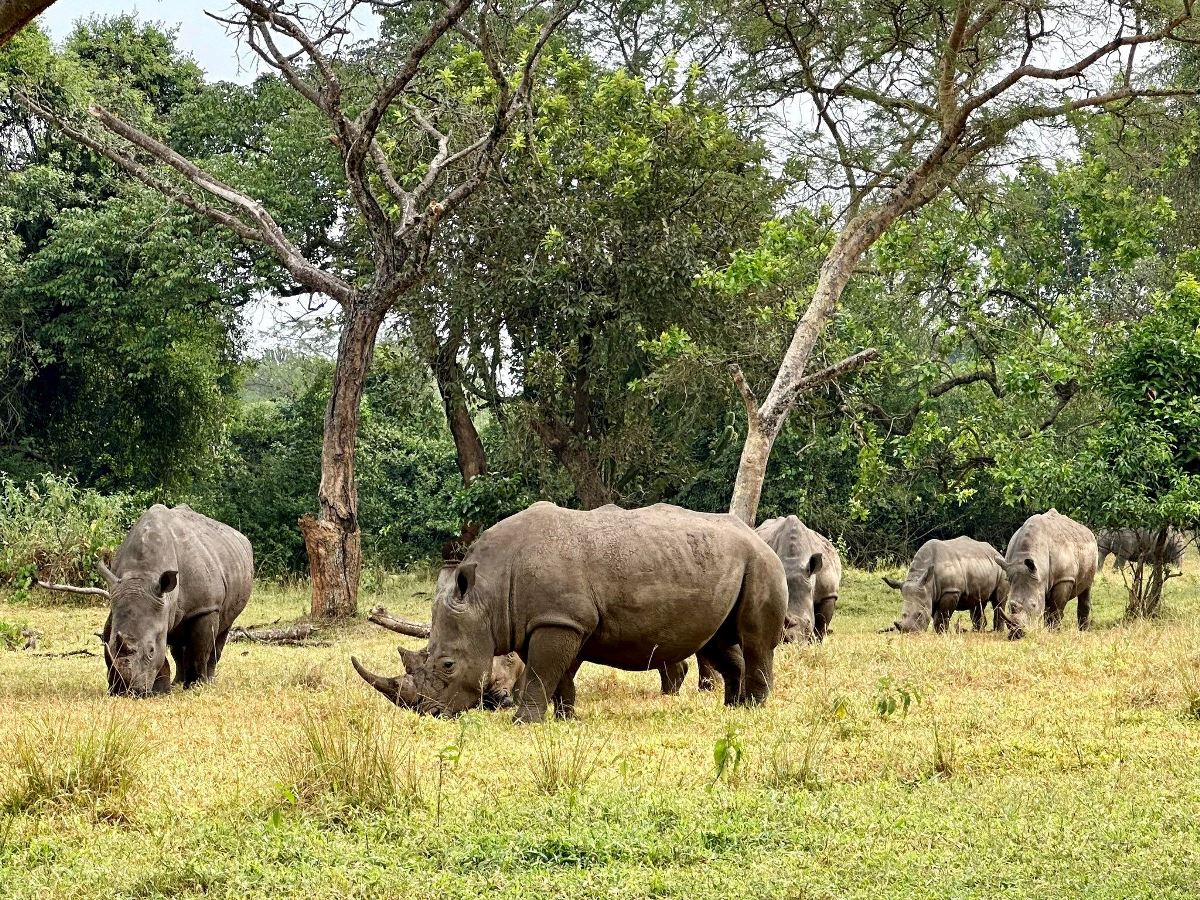
In 2026, the revival of the Ziwa Rhino Sanctuary and the expansion of the Kidepo Valley lion populations mean that travelers can witness the full spectrum of African megafauna in a single trip. Unlike the crowded circuits of neighboring countries, Uganda’s vast landscapes offer a sense of exclusivity, where you can watch a leopard hunt in Queen Elizabeth National Park without a dozen other vehicles in sight.
2. The New Wave of “Low-Impact” Luxury
The year 2026 marks a “luxury glow-up” for the Ugandan hospitality sector. A new generation of lodges has opened, focusing on “Active Luxury”—wellness-integrated stays that emphasize sustainability and privacy.
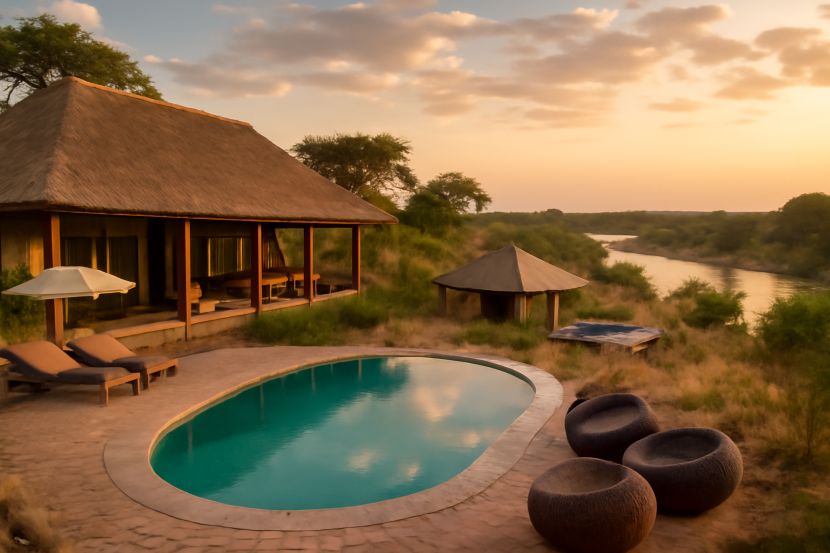
Properties like the newly opened Erebero Hills in Bwindi and Kulu Ora in Murchison Falls are redefining the guest experience. These aren’t just hotels; they are conservation hubs. Kulu Ora, for instance, is situated in a restricted, low-impact zone of Murchison Falls National Park, offering guests private access to remote Nile riverbanks. With private plunge pools, solar-powered infrastructure, and “forest bathing” experiences, these lodges prove that a Uganda safari can be as indulgent as it is adventurous.
3. The Prehistoric Allure of the Shoebill Stork
Birding has moved from a niche hobby to a mainstream travel trend in 2026, and Uganda is its global capital. Beyond the 1,000+ species found here, the “holy grail” for every traveler is the Shoebill Stork.
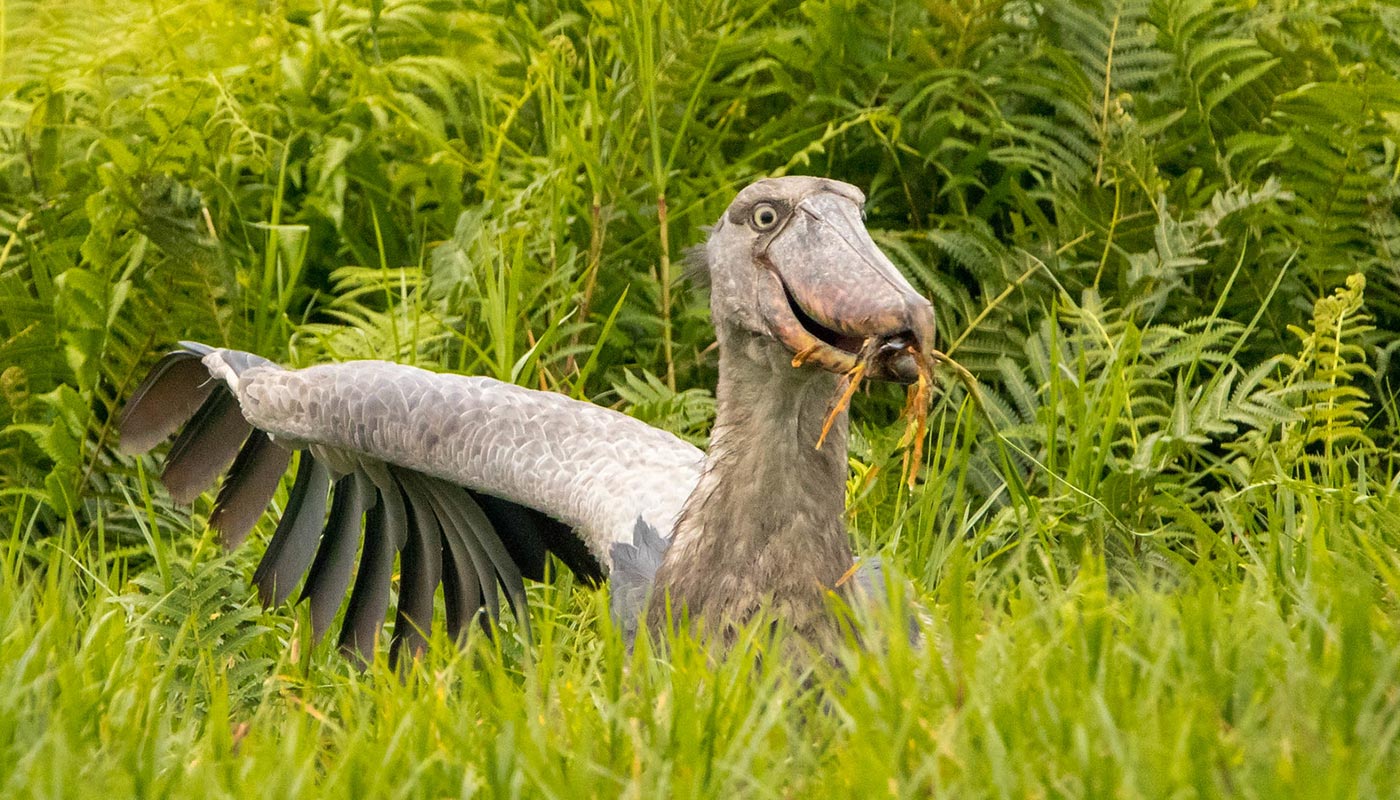
Standing up to five feet tall with a prehistoric, shoe-shaped beak, this rare bird looks like a relic from the dinosaur era. The Mabamba Bay Wetland, just a short distance from Entebbe, has become a world-class conservation success story. Here, former fishermen have transitioned into expert guides, taking guests on silent canoe expeditions to find these enigmatic giants. The success rate for sightings in 2026 has reached an all-time high of 88%, making it a “must-do” addition to any itinerary.
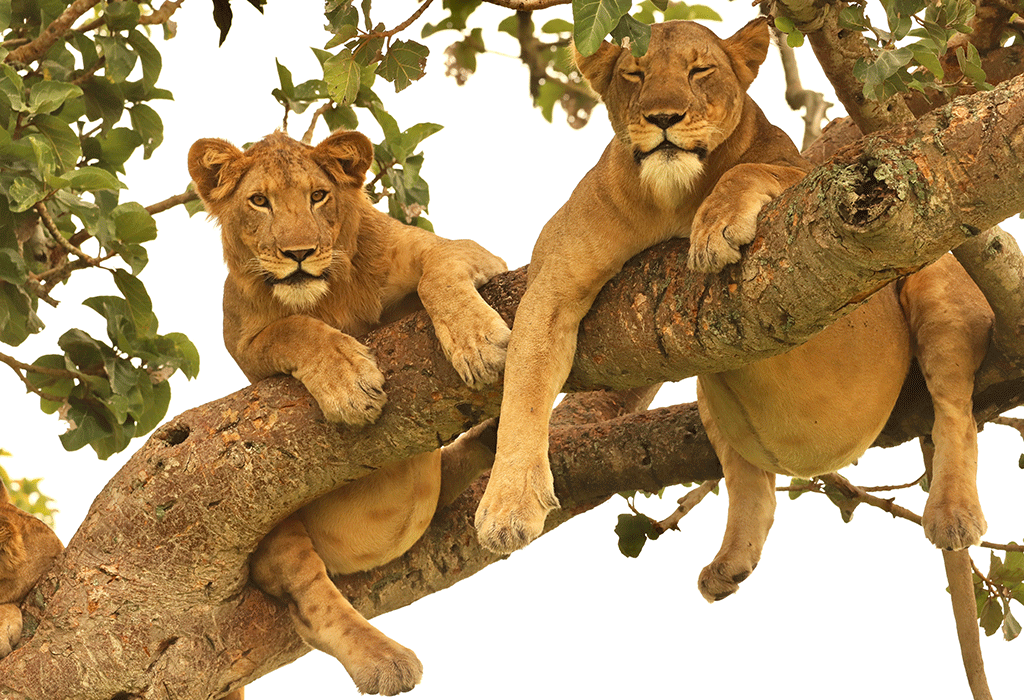
4. The Tree-Climbing Lions of Ishasha
One of nature’s most bizarre and beautiful mysteries remains a cornerstone of the Ugandan circuit: the tree-climbing lions of the Ishasha sector. While lions occasionally climb trees elsewhere, Ishasha is the only place in the world where entire prides spend their afternoons draped across the sprawling branches of ancient fig trees.
In 2026, enhanced conservation efforts have stabilized these prides, providing photographers with the rare opportunity to capture “the King of the Jungle” framed against a canopy of green. This experience adds a layer of verticality to the traditional game drive, transforming a standard safari in Uganda into something truly extraordinary.
5. Seamless “Bush-to-Bush” Connectivity
Historically, the greatest challenge to exploring Uganda was the “African massage”—the long, bumpy drives between national parks. In 2026, that barrier has vanished. The expansion of internal flight networks has revolutionized travel logistics.
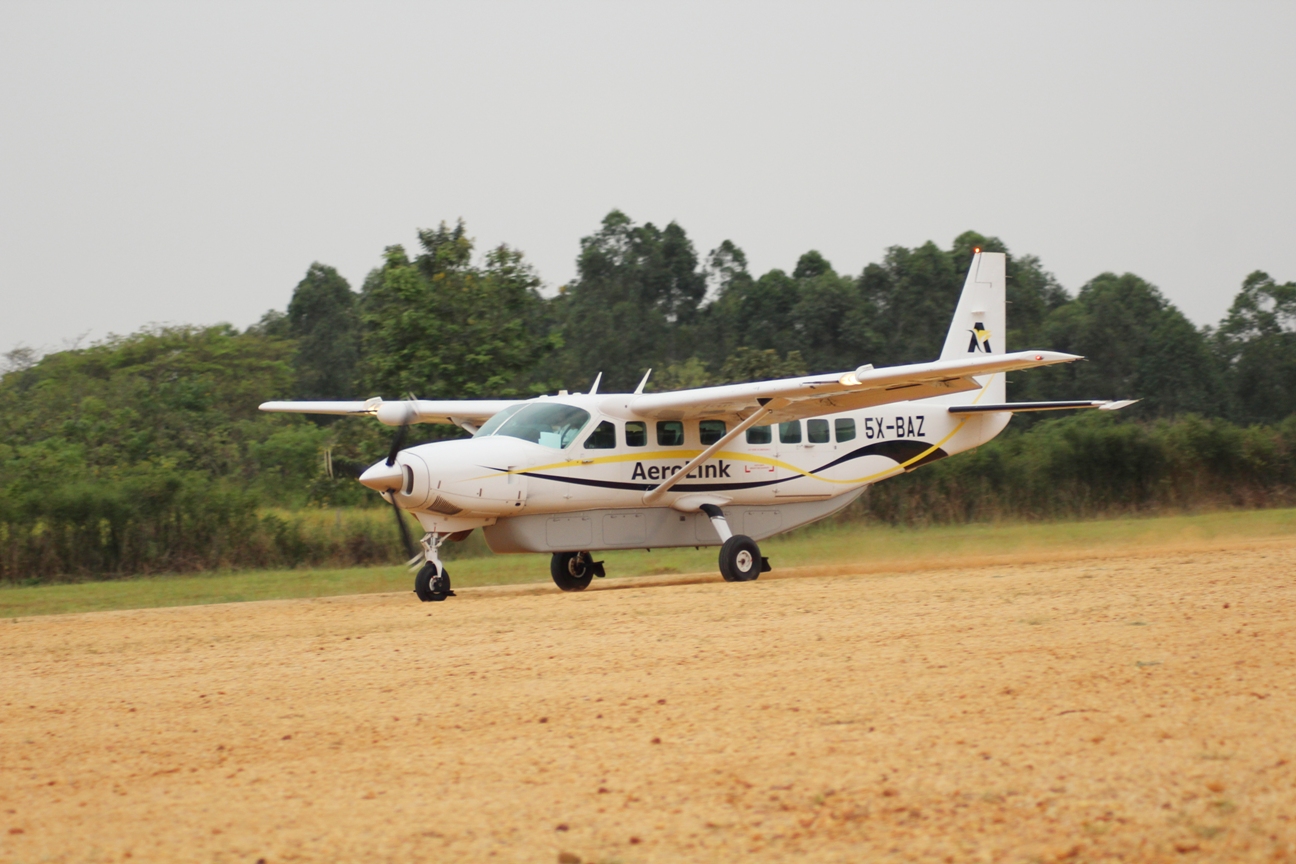
Travelers can now have breakfast overlooking the Nile in the north and be tracking gorillas in the southwest by lunchtime. These “Fly-in Safaris” utilize small aircraft to connect hubs like Murchison Falls, Kibale, and Kidepo, allowing visitors to maximize their time in the wild rather than on the road. This improved infrastructure has made the country more accessible to luxury travelers and those on shorter timeframes, without sacrificing the raw, “untamed” feel that makes Uganda special.
Summary of the 2026 Uganda Safari Evolution
| Feature | The Old Way (Pre-2024) | The New Way (2026+) |
| Travel | 8–10 hour road transfers | 45-minute “Bush-to-Bush” flights |
| Focus | Gorillas only | The “Big Seven” & Specialized Birding |
| Lodging | Basic Eco-camps | High-end, Wellness-focused Luxury |
| Crowds | Group tours in main sectors | Private concessions & Low-impact zones |
Conclusion: The Pearl Reborn
Uganda has successfully navigated the transition from a niche adventure spot to a premier global destination. By protecting its primates while simultaneously elevating its savannah experience and luxury offerings, it provides a balanced, holistic safari that few other nations can match.
Whether you are seeking the adrenaline of a white-water rafting trip on the Nile, the spiritual silence of a gorilla encounter, or the refined comfort of a riverside spa, a Uganda safari adventure in 2026 is the ultimate answer to the modern traveler’s search for depth, diversity, and soul.
Check out some of our top Uganda safaris and excursions and book or inquire about prices by sending an email to info@adventtravelcenter.com or calling/ chatting via +256-700135510 to speak with the reservations team.