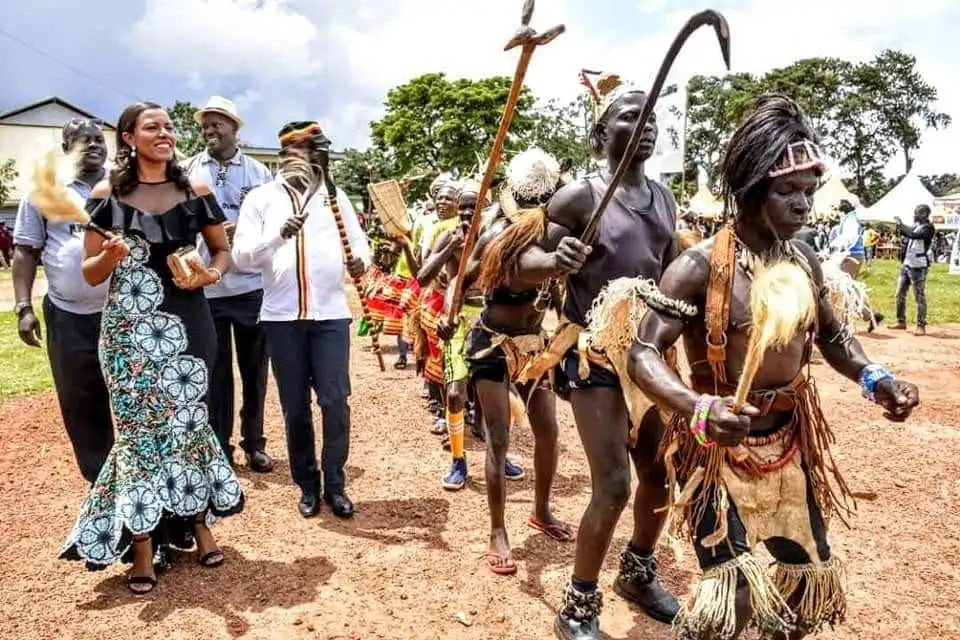
When most people think of a Ugandan safari, they envision the mist-covered peaks of Bwindi or the vast savannahs of Queen Elizabeth National Park. However, beyond the “Big Five” and the mountain gorillas lies a soul-stirring mosaic of over 50 ethnic groups. To travel through Uganda on a guided cultural safari is to move beyond the role of a spectator and become a participant in a living heritage that dates back centuries
The Kingdom of Buganda: A Royal Introduction
Most guided safaris begin in the central region, the heart of the Buganda Kingdom. Kampala, the capital, is not just a bustling metropolis but a custodian of Ganda history. A visit to the Kasubi Tombs, a UNESCO World Heritage site, offers a profound look at the spiritual and political architecture of the region. Here, the royal burial grounds of the Kabakas (Kings) serve as a reminder of a sophisticated pre-colonial state.
In the villages surrounding the capital, travelers can engage in the “Entanda” cultural experience. Unlike a staged performance, this is an immersion into daily life. You might find yourself:
-
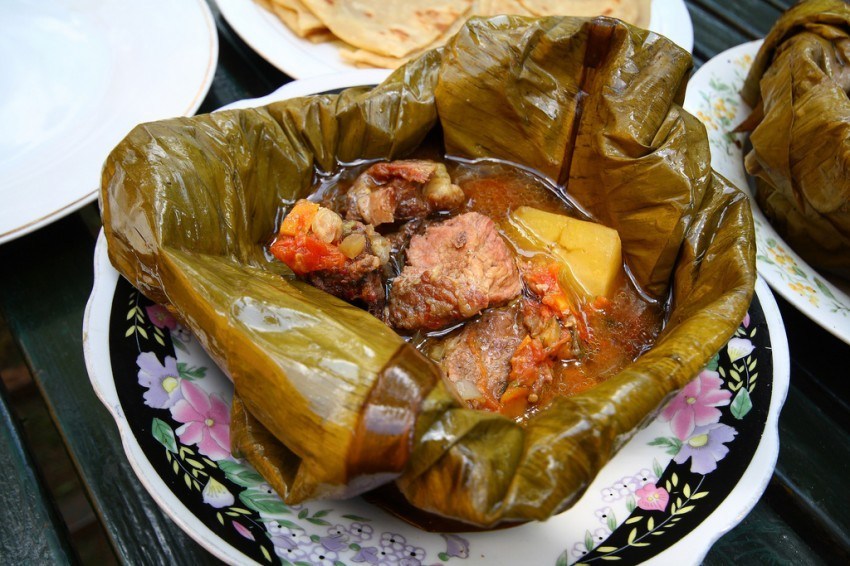
Learning the art of Luwombo: Preparing a royal dish of meat or groundnut sauce steamed in scorched banana leaves.
-
Bark Cloth Making: Watching artisans beat the inner bark of the Mutuba tree into a soft, earthy fabric—a craft recognized by UNESCO as a masterpiece of oral and intangible heritage.
The Guardians of the Forest: The Batwa Experience
As your safari moves southwest toward the gorilla highlands, the cultural landscape shifts dramatically. The Batwa Pygmies, often referred to as the “Keepers of the Forest,” were the original inhabitants of the Bwindi Impenetrable and Mgahinga forests.
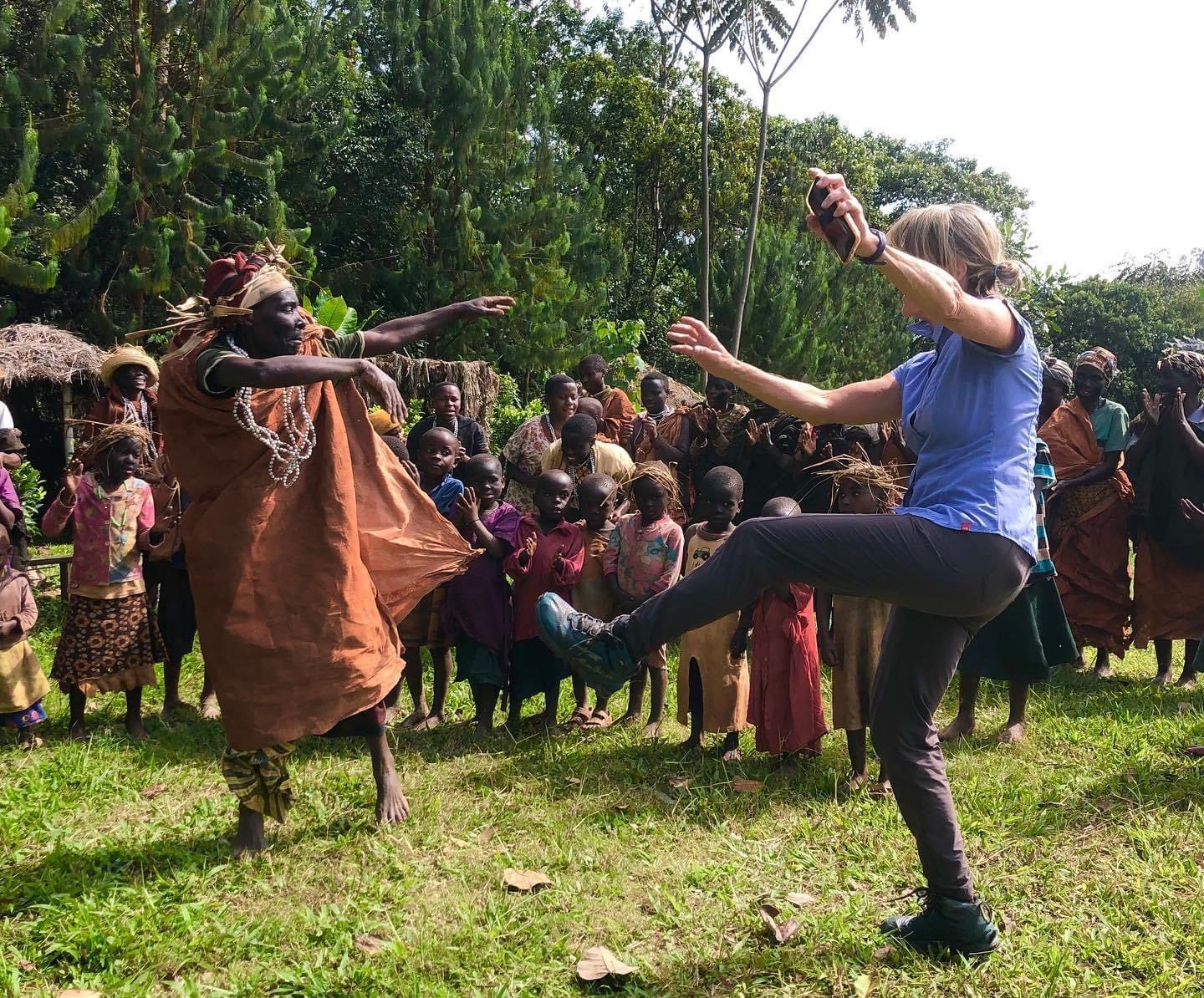
For thousands of years, the Batwa lived in harmony with the mountain gorillas, using the forest for medicine, food, and shelter. A guided Batwa Cultural Trail is a poignant journey led by Batwa elders. They demonstrate how to light fires with sticks, identify medicinal herbs used to treat everything from malaria to toothaches, and share the sorrow of their displacement from the forest in the 1990s. This encounter adds a vital layer of human context to the gorilla trekking experience, highlighting the delicate balance between conservation and indigenous rights.
Pastoralist Traditions: The Ankole and Karamojong
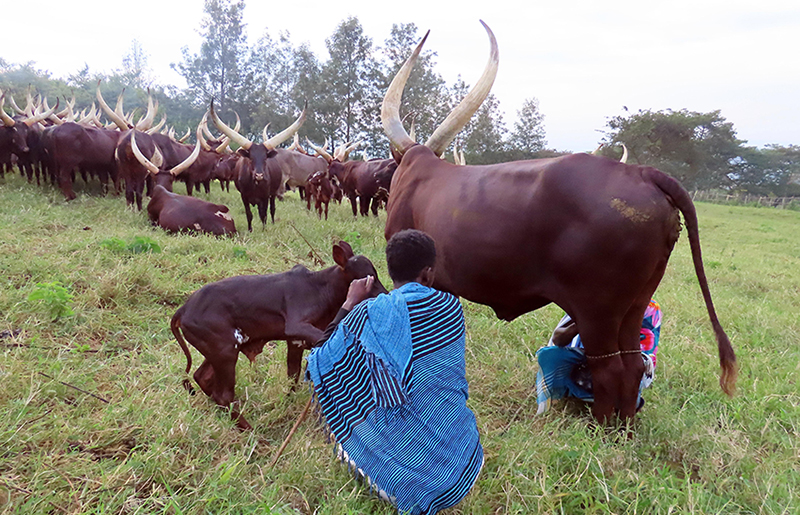
Moving into the cattle-corridor of Western and Northeastern Uganda, the culture becomes centered around the “long-horned” Ankole cattle. In Mbarara, the Igongo Cultural Centre provides a comprehensive look at the Bahima and Bairu people. Visitors can try their hand at churning ghee or milking the majestic cattle, whose horns can reach spans of over two meters.
For those seeking the truly remote, a safari to Kidepo Valley National Park brings you to the Karamojong people. Often compared to the Maasai of Kenya, the Karamojong are semi-nomadic pastoralists living in manyattas (walled homesteads).
-
The Manyatta Visit: Entering a Karamojong village is a sensory explosion of vibrant beads, rhythmic jumping dances, and the scent of woodsmoke.
-
The Ik People: High on the Morungole Mountains live the Ik, one of the smallest and most isolated ethnic groups in Africa. Reaching them requires a strenuous but rewarding hike, offering a rare glimpse into a culture that has remained largely unchanged by the modern world.
Rhythms, Flavors, and the Spirit of Hospitality
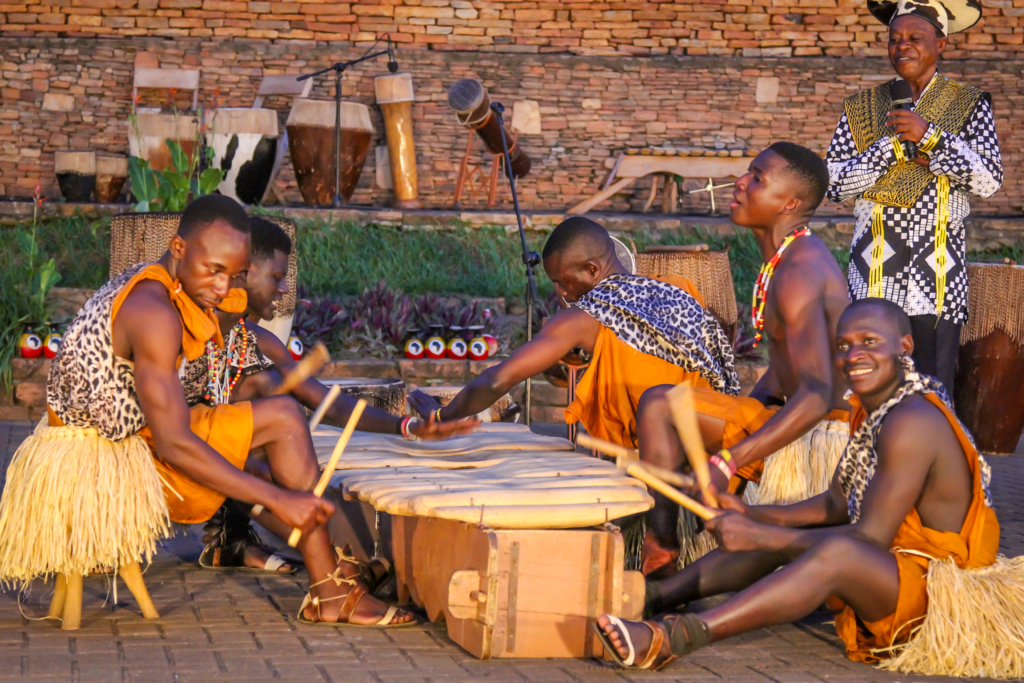
No Ugandan safari is complete without the universal language of food and music. A guided tour often culminates at the Ndere Cultural Centre in Kampala, where the high-energy Bwola dance of the Acholi (Northern Uganda) and the graceful Dingidi dance are performed.
The culinary journey is equally diverse. On a guided safari, you aren’t just eating at lodges; you are sampling:
-
The “Rolex”: A popular street food made of eggs rolled in a chapati.
-
Matooke: Steamed green bananas, the staple of the South.
-
Malakwang: A sour, leafy green dish from the North that tells the story of resilience and local agriculture.
Why a Guided Safari Matters
While solo travel is possible, a guided cultural safari in Uganda provides the necessary bridge between two worlds. Professional guides act as cultural brokers, ensuring that interactions are respectful and that the stories told are authentic. These tours often operate on a community-based tourism model, where a portion of the safari fees goes directly into local schools, water projects, and healthcare.
Final Thoughts
Discovering Uganda’s culture is about more than just seeing; it is about feeling the “Pearl of Africa.” It is found in the handshake of a village elder, the synchronized beat of a drum, and the shared meal under a thatched roof. When you pair the majesty of the African wild with the warmth of its people, the result is a travel experience that changes you forever
Are you planning a Uganda safari adventure to discover the rich culture of Uganda- we at Advent Travel Center will be happy to organize a tour for you that fits your budget and interests. Simply contact us now by sending an email to info@adventtravelcenter.com or call us now on +256-785231603/ +256-758540071